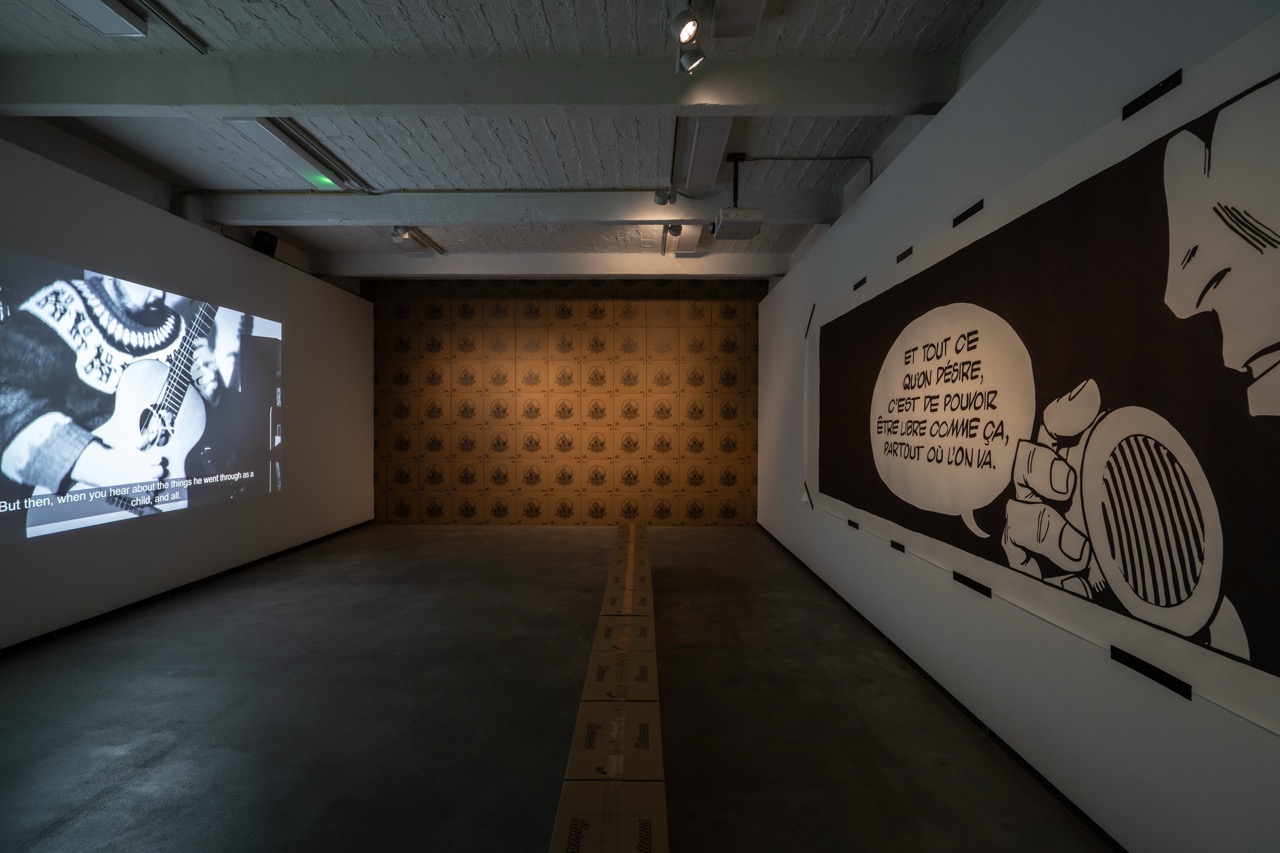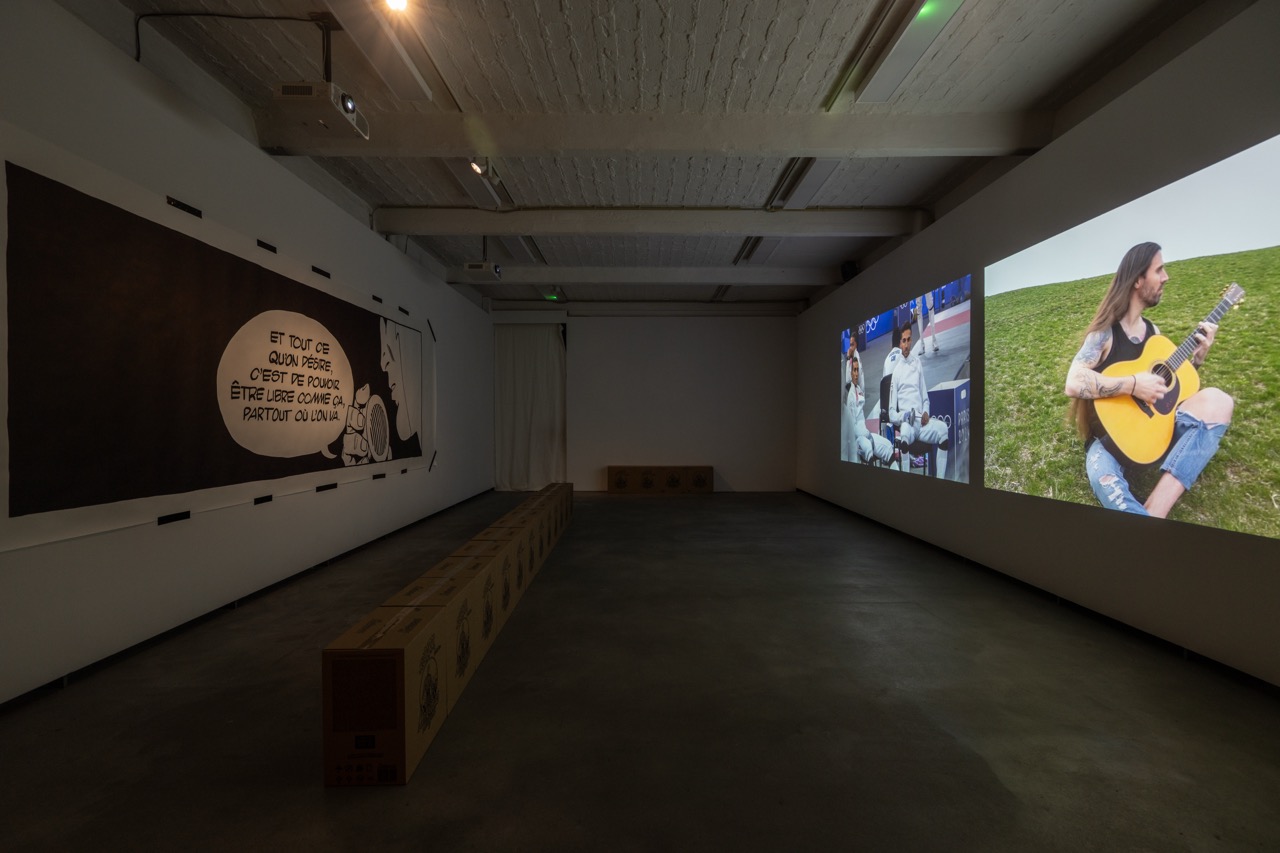
In Malthe Møhr’s video Sja Mægre, memory is (in) a body and structured to the rhythm of a steady beat. Acting as a filmic metronome kept entirely out of sight, this beat—dumb yet precise—dictates the tempo of the artist’s dialectical storytelling: two screens offering distinct dimensions of the same unfolding narrative. For the film’s characters, it governs how experience is processed into memory; for their bodies, it is the acoustic pattern that enables the recollection of memory specifically through an embodied—and even shared—state. Again and again, the beat serves as a nerve-inducing underlay to bodily reactivation, a psychic heartbeat of sorts. It appears in the nervous facial twitch of an athlete, in the choreographed violence of a former soldier, in the rehearsed finger movements on a guitar. The beat commands these logics while slowly lulling the film’s viewers into a meditative state of contemplation as well: bodies in training regarding trained bodies. Tempo, Møhr shows with seductive ease, is not only a cognitive technique, but also a means of manipulating form—of the moving image and of corporeal knowledge as such.
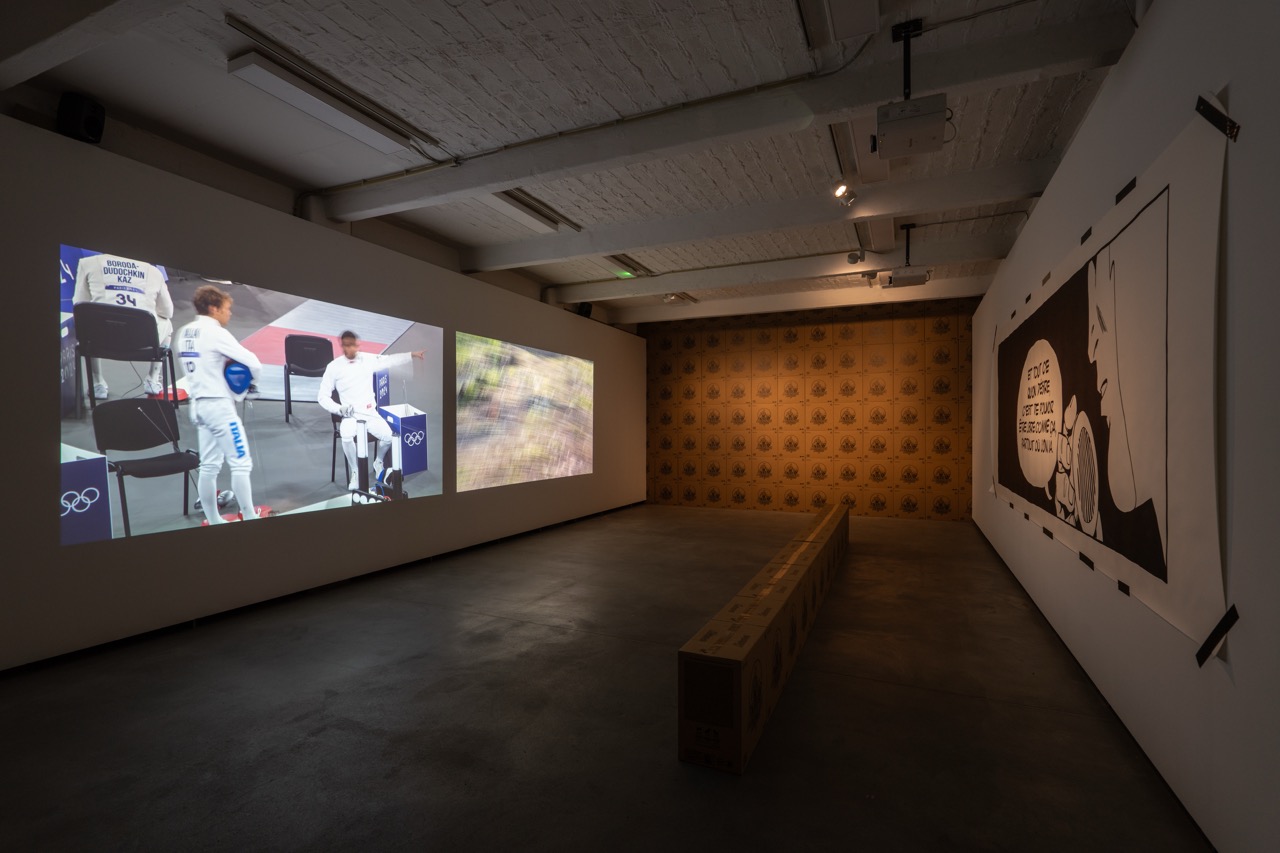
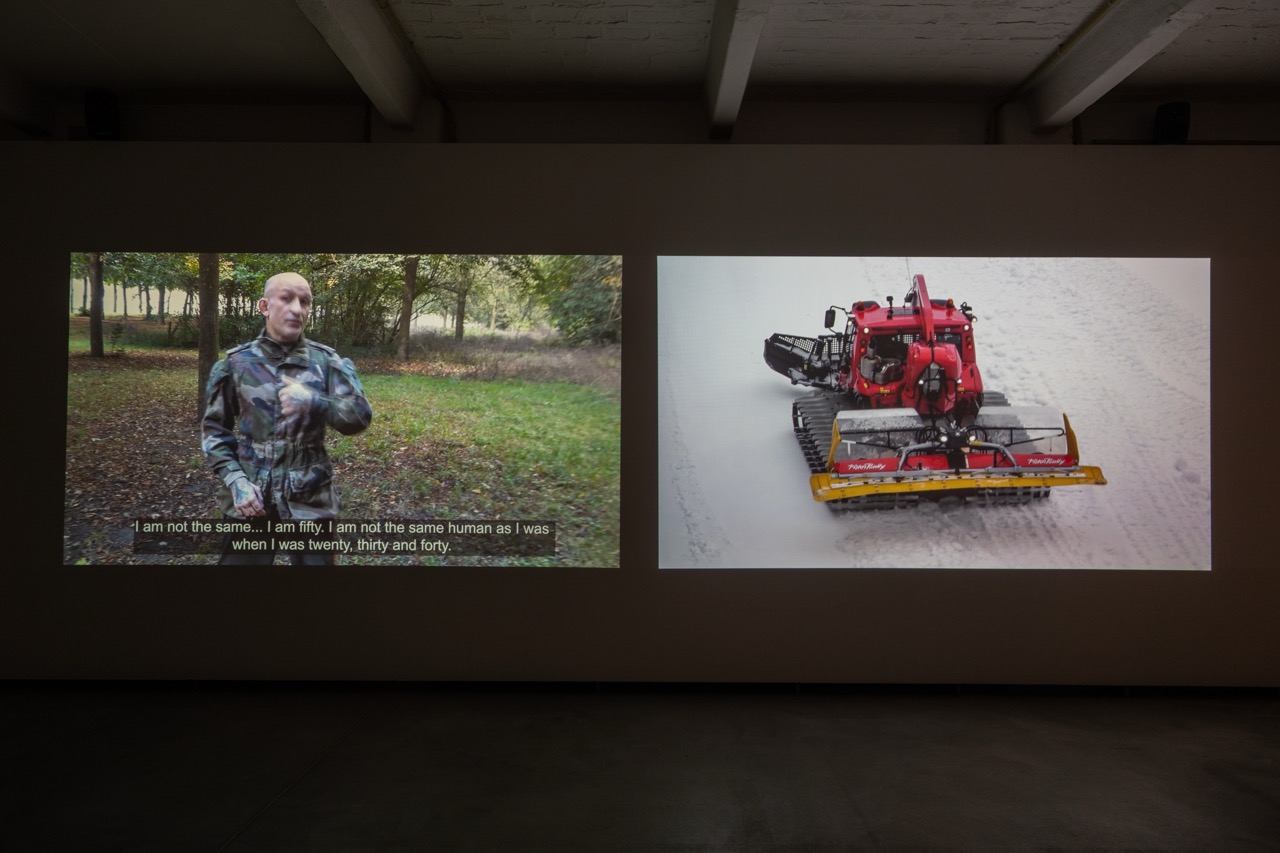
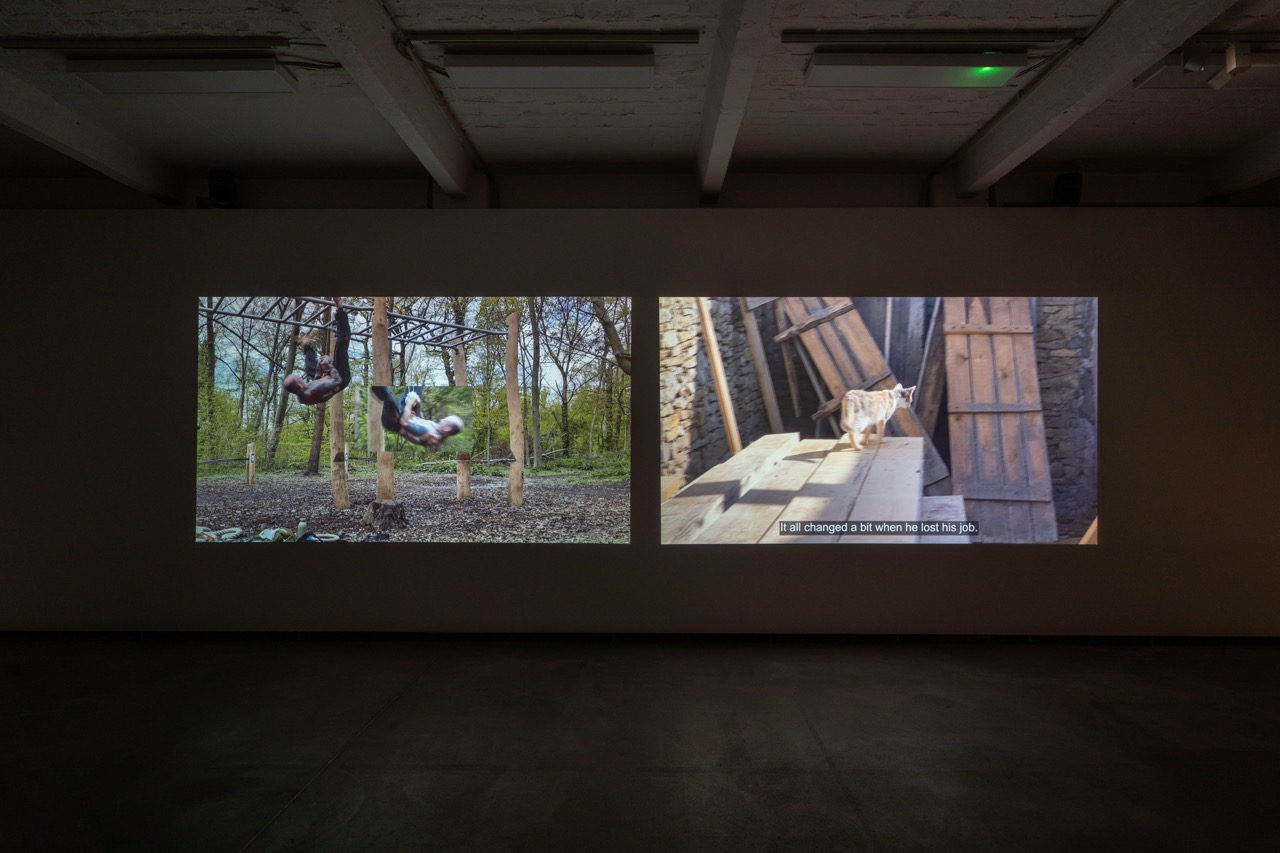
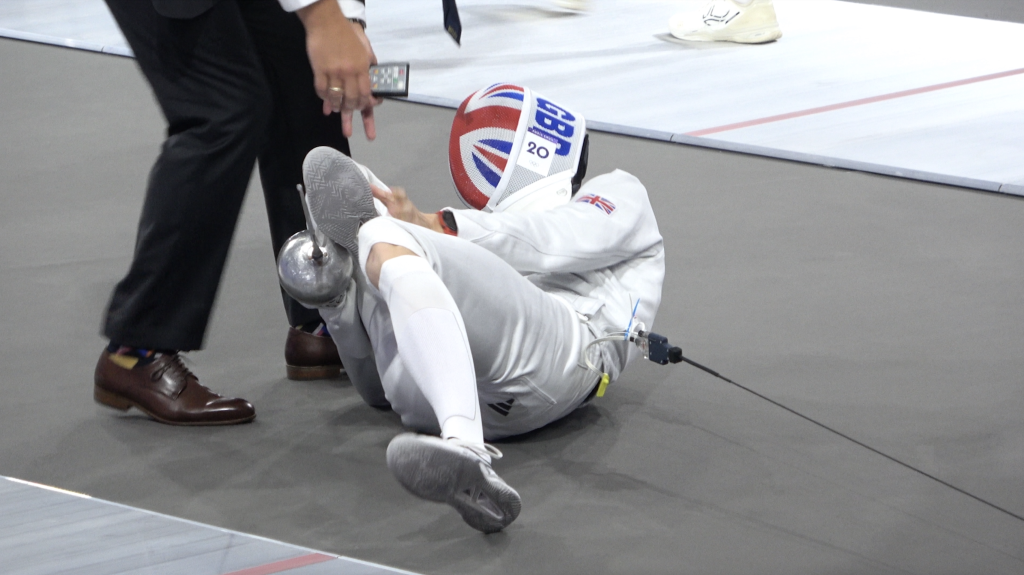
Sja Mægre, the multi-channel video work at the center of the exhibition Skinny Cat, is illusory in its goals. Its cryptic title is derived from the phonetic spelling of the french term, chat maigre, in Danish. One screen shows ambient imagery of fencers competing in an Olympic arena, enclosed by fencing and security barriers, overseen by referees. The video cuts to an ad hoc portrait of Gérard, a former legionnaire of the French Foreign Legion, as he trains in a park. As Gérard demonstrates his diligent training regimen, he begins to recall memories of serving in the Legion—an elite corps of the French Army shrouded in myth, known for its strict discipline, strong esprit de corps, and worldwide deployment in advanced warfare. Recruits undergo intense physical training and often adopt new identities (indeed, Gérard is not his first—or original—name). To become a legionnaire, he explains, is to assume not only a new body but a new personhood—one that mutates over the course of a career. “I am not the same…,” he muses at one point, reflecting on his advancing age. “I don’t have the same spirit and body.” Ongoing physical training, however, becomes a way of indexing continuity between these bodies over time—even, or especially, when his career as a soldier has ended, and all that remains are memories.
In the parallel video, the viewer encounters heavy machinery leveling the ground in a snowy landscape. In numerous languages, the narrator tells the story of a friend who sends him videos of a sunny garden. The camera follows the fate of a black cat printed on a T-shirt; an auditorily warped interview recounts a dead father, escapism into online gaming, an eating disorder. Simultaneously, a number of young men independently upload videos of themselves playing the same cover of Guts’ Theme, originally composed by Japanese musician Susumu Hirasawa for the animated adaptation of the manga Berserk (1997). The covers are arranged and edited so that the players appear in sync—synchronized, that is, to the persistent overlaying beat.
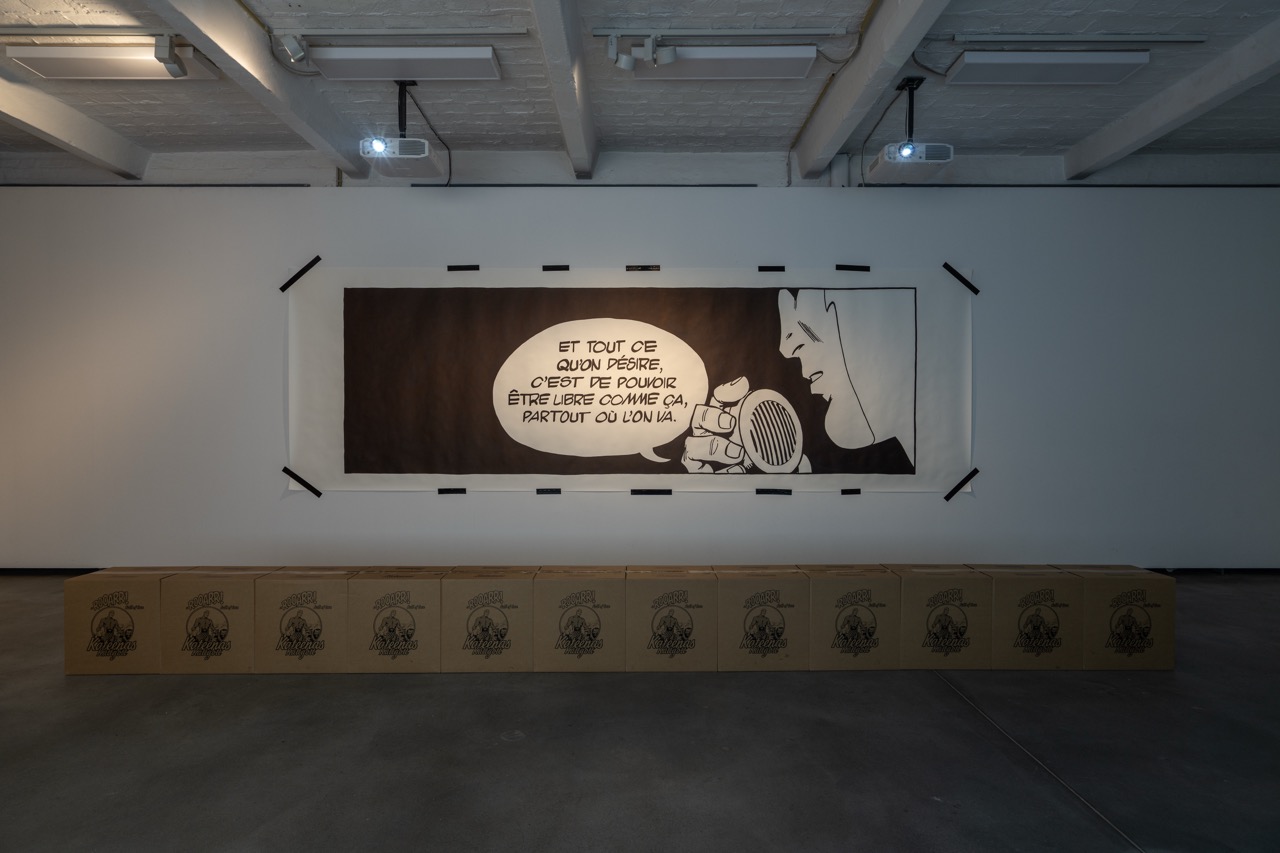
Here, Møhr offers the beat as an deeply compelling social metaphor: as a structuring force of affect, trauma, and empathy. Like scientific time, synchronization cuts across space and distance, across media and ideology, across experiences of self—even, and especially, the film suggests, experiences of loneliness. For Sja Mægre’s beat seems to come to rest in Gérard’s body: time is both in and of the body. The beat is pure repetition, which for Freud was a psychic compulsion, a technique of trauma. It also extends as an acoustic backdrop throughout the exhibition, which includes a series of ink drawings depicting the comic-book hero The Phantom, sourced from the artist’s extensive collection. First published in U.S. newspapers in 1936, The Phantom has since appeared in more than 500 newspapers, translated into 40 languages, with an estimated daily readership of 60 million. As a massively distributed representation of the crime-fighting hero, The Phantom approximates a pop-culturally universal mythos of masculinity. His lair is famously located inside a cave, where he in solitude awaits the world in need of saving. He may be understood as a nostalgic media memory, a form of generational subconsciousness, a template, or a literal phantom: a ghost haunting the bodies assembled in Skinny Cat.
To the feminist psychoanalytic tradition, Møhr’s interwoven reflections on memory—on the bodily status of trauma and the cultural status of the body—are not new. Yet to locate them within spaces of archetypal hypermasculinity—athletes, soldiers, superhero comics—feels quietly revelatory. This is because men—particularly straight, white men—often remain the “bad object” of feminist critique, rarely afforded the affective complexity extended to other subject positions.
This remains especially true amid the current resurgence of far-right ideology tethered to icons of hypermasculinity, where masculinity itself appears to many as a threat—as abjection incarnate. But even if contemporary masculinity is indeed toxic, it is not arbitrary: it follows a rhythm; it moves to a beat. It has knowledges, and stories, located in bodies. It is as a body that it can—indeed, must— be unpacked—translated, re-read, re-written. For it is precisely here that care and empathy begin.
Text: Jeppe Ugelvig