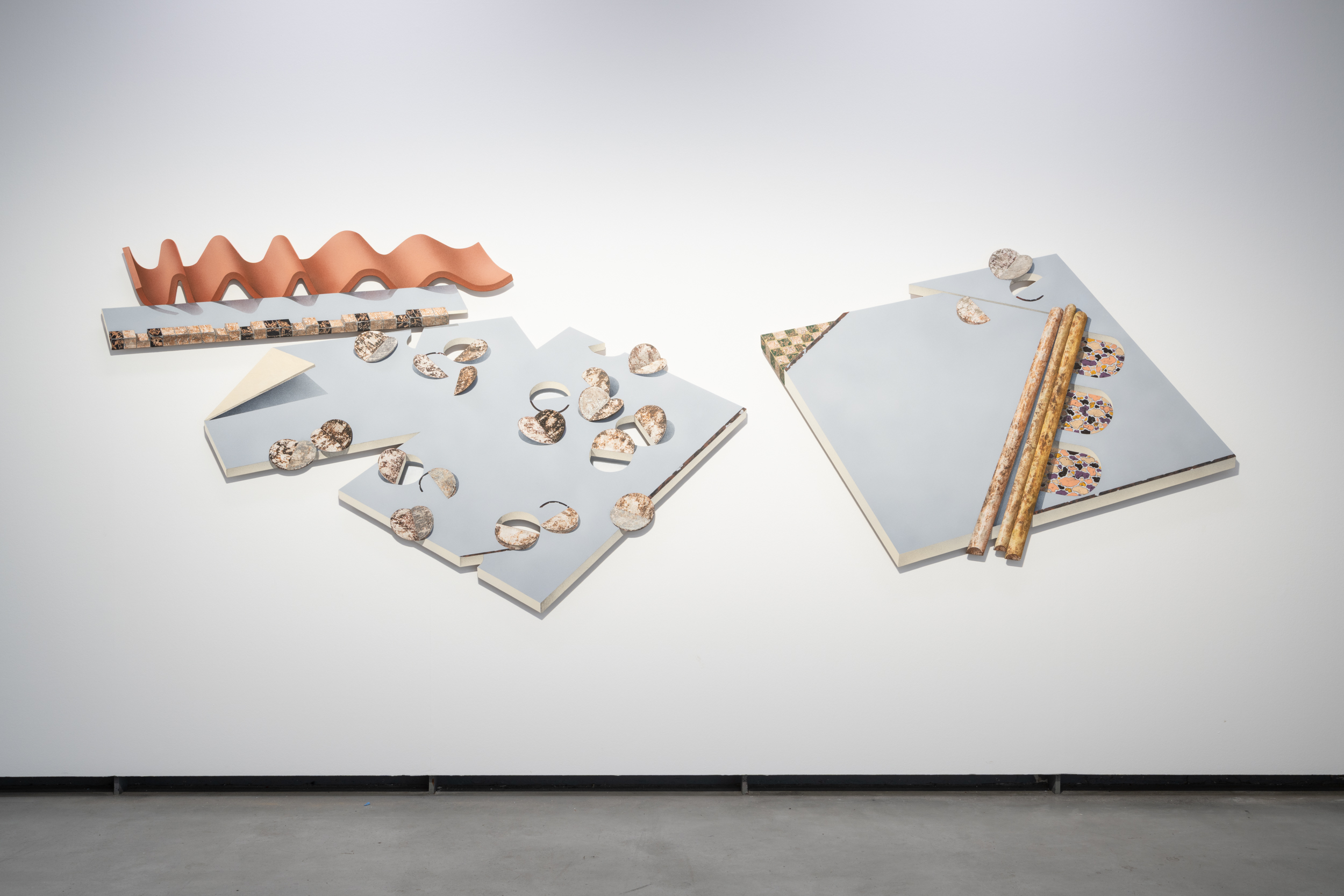
Kosuke Nakane’s work is an invitation to rediscover our urban habitat. His paintings translate streets and squares, houses and gardens into a reflection on the quotidian and the transient. In doing so they evade an overly familiar way of looking at painting. Kosuke Nakane’s motifs assert their three-dimensionality on the flat ground of the canvas, and operate autonomously with the light and shadow of the real world.
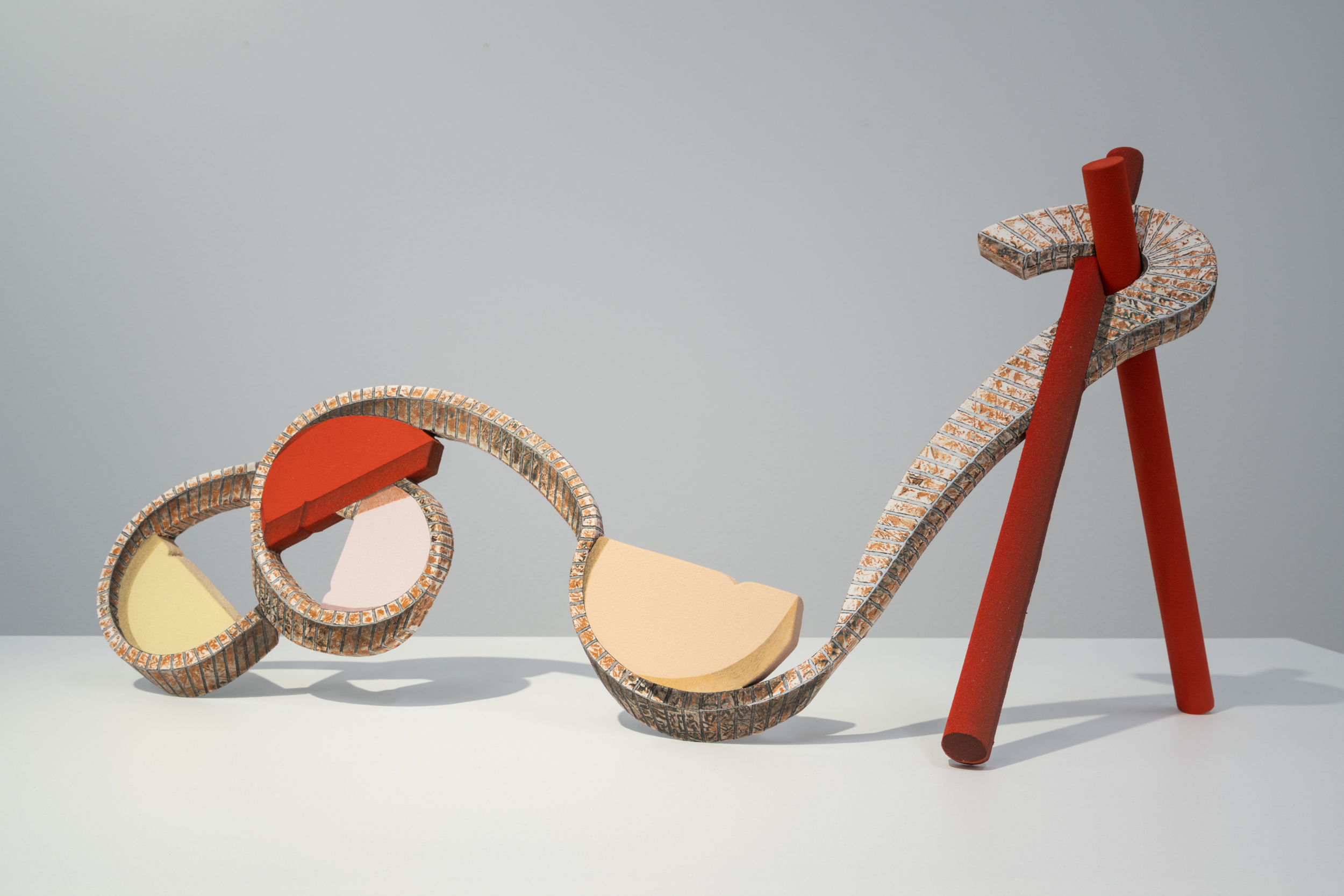
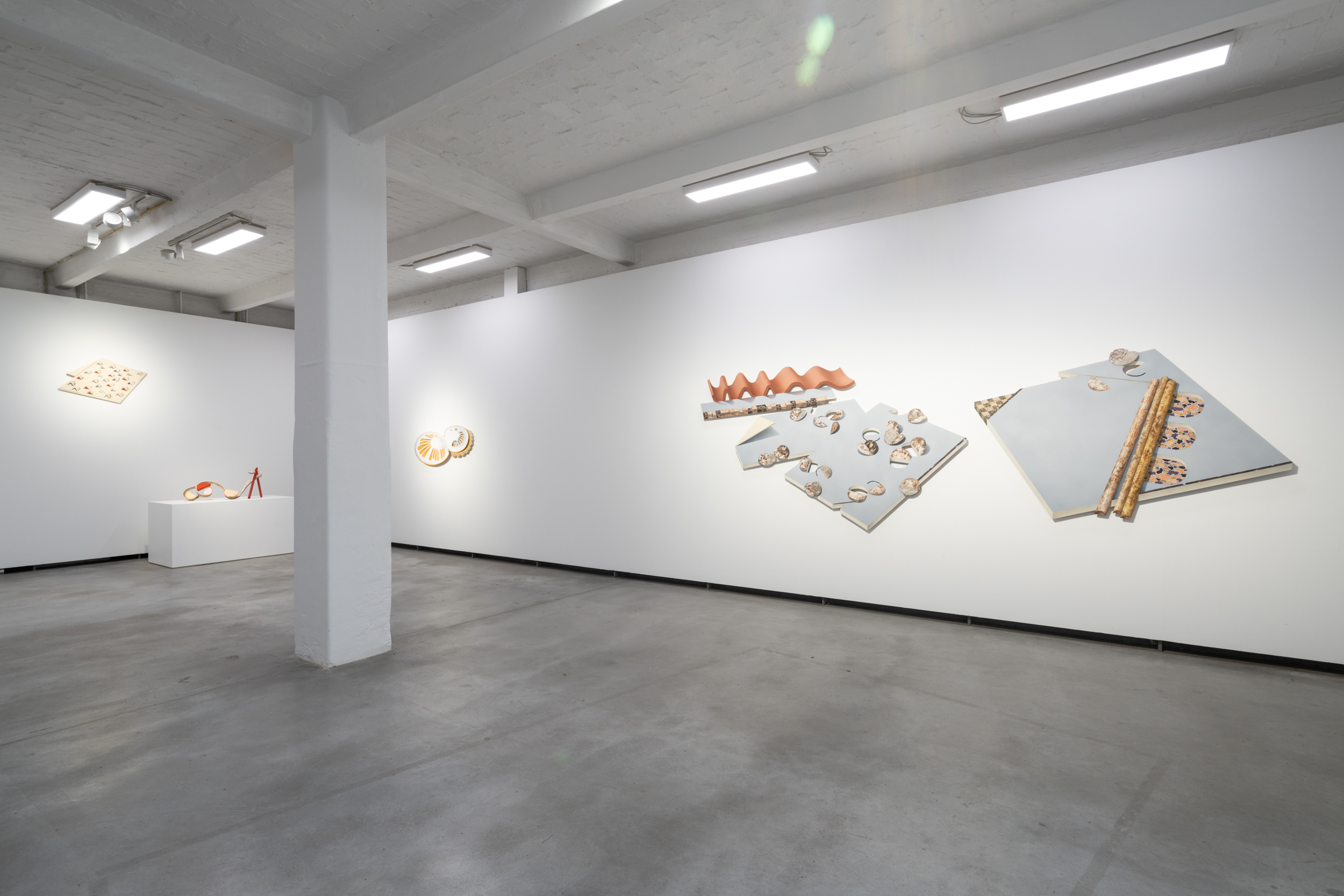
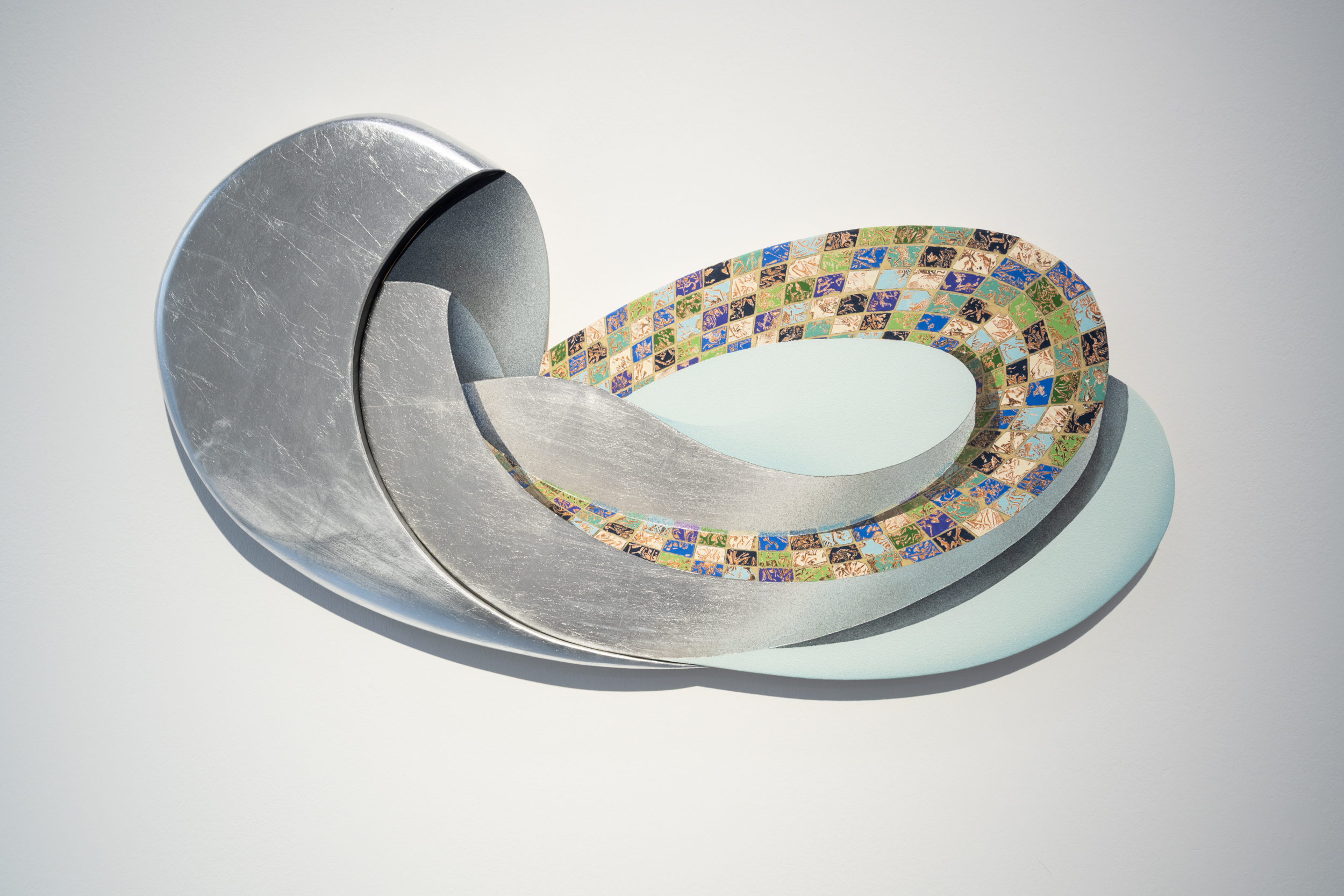
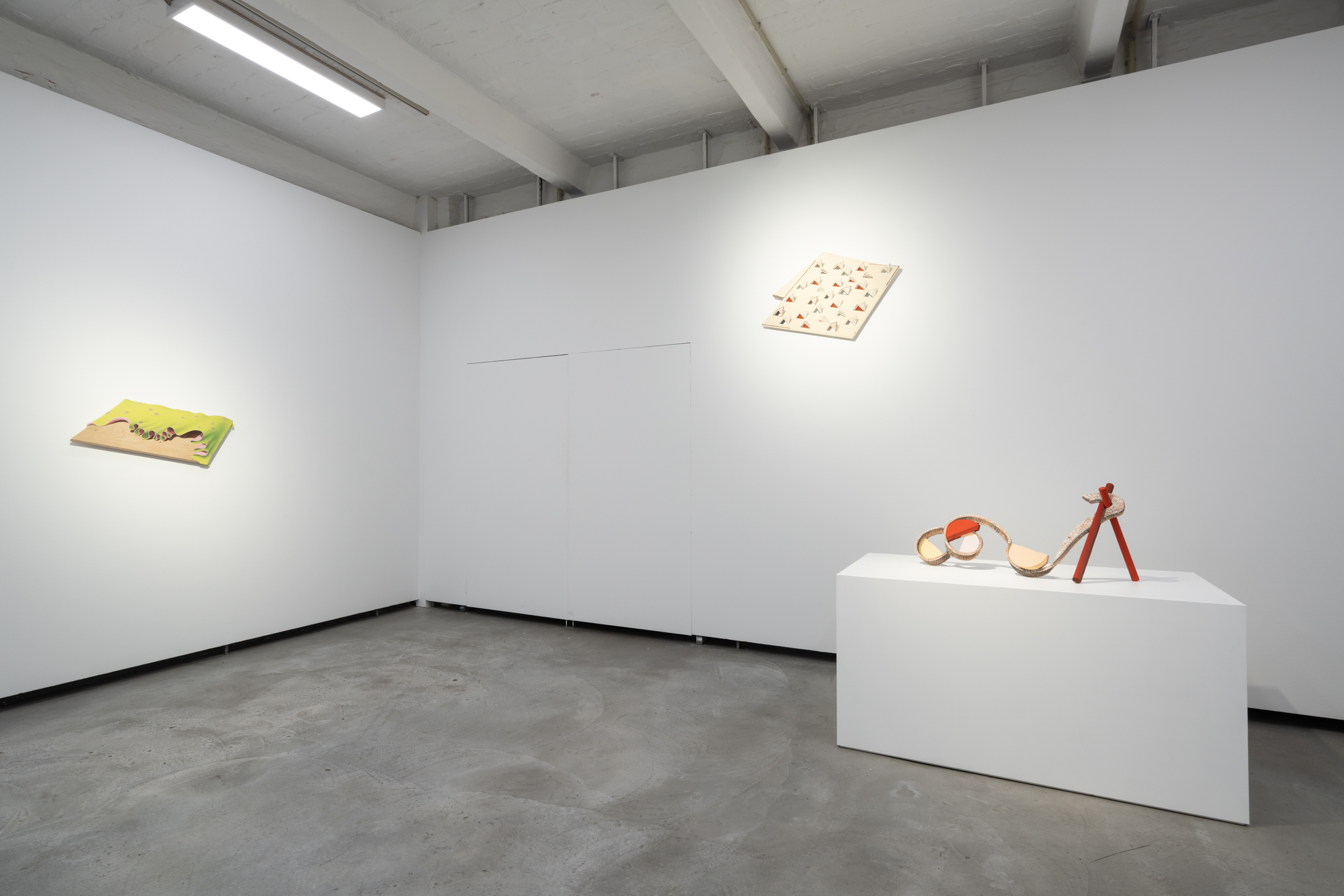
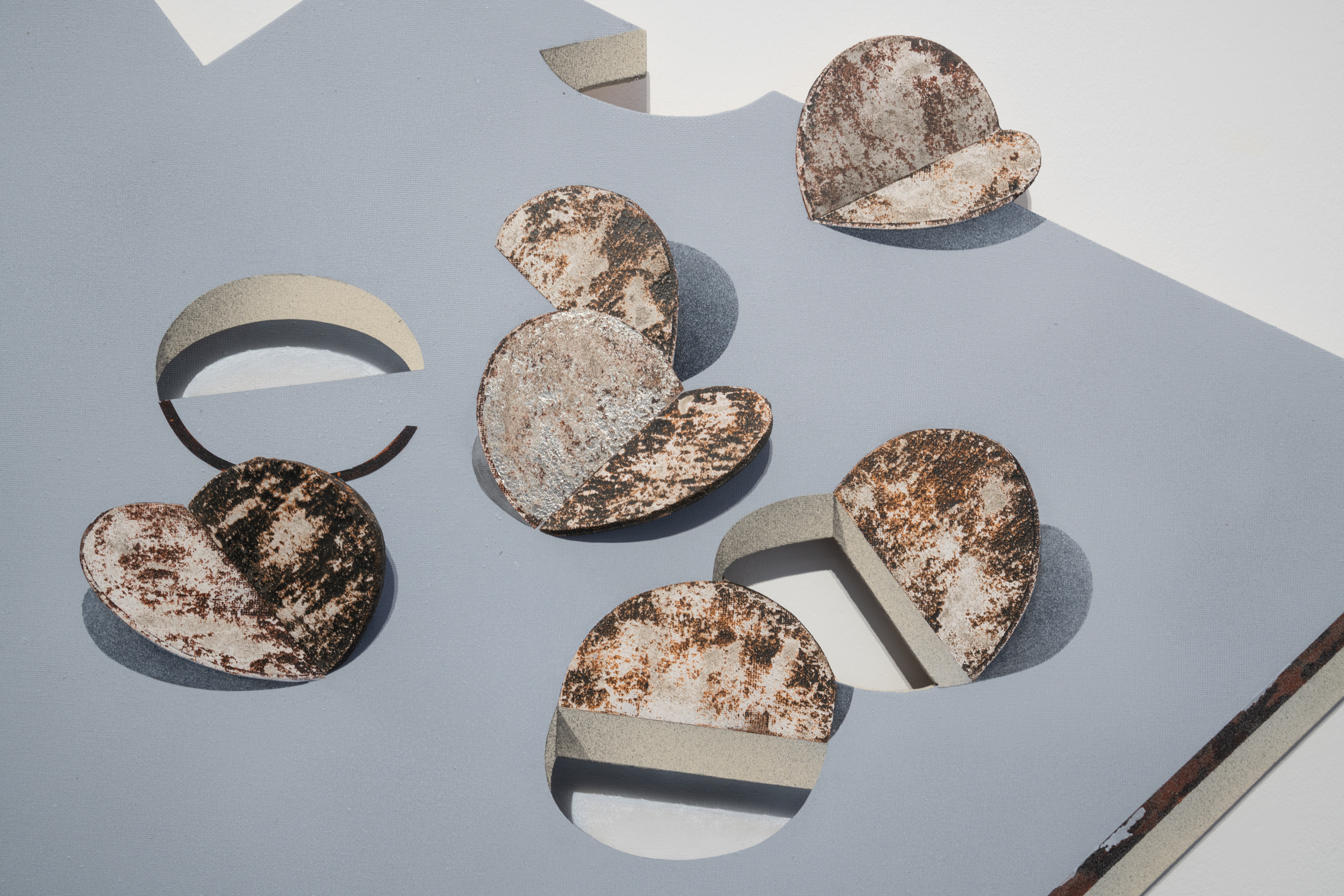
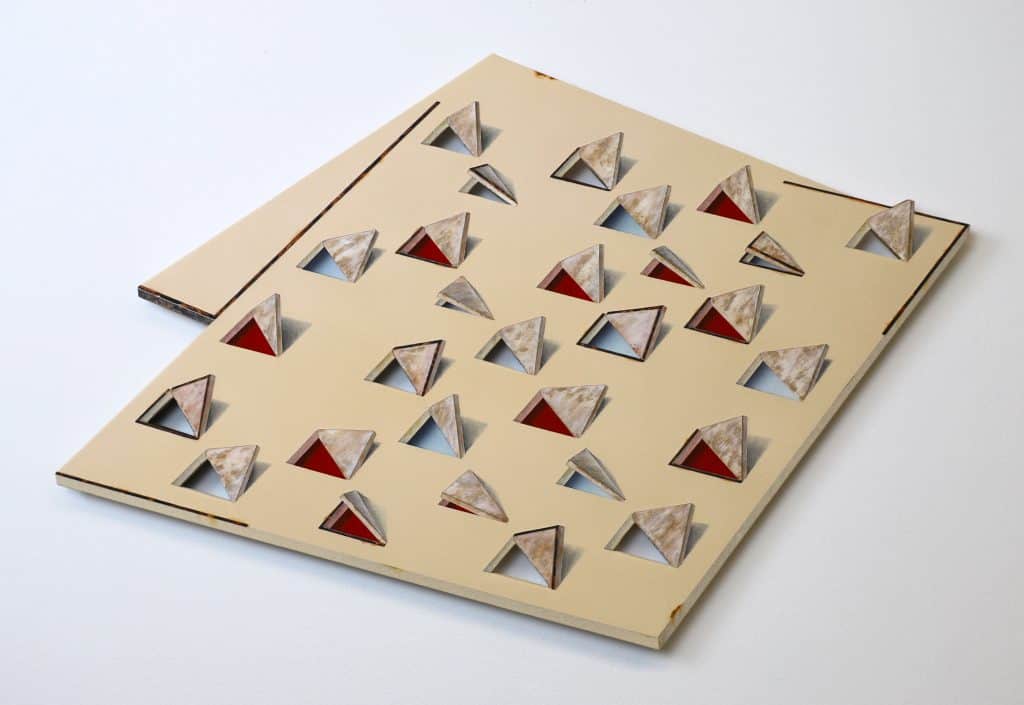
In the new series facade (2026), three-dimensional fragments are interwoven with painted illusions into enclosed spaces. Gentle grooves encounter precise geometries; playfulness and planning overlap into a complex spatial ensemble. The works continually set the eye of the viewer in motion: near and far, surface and depth, object and image topple into one another. At first sight these forms appear to be structurally coherent, but on closer inspection they contain disconcerting irregularities such as perspectival distortion, fragile displacement or structures that seem to defy gravity. They recall biological cells, organic skin or utopian cityscapes. The wealth of associations they suggest is not prescriptive, but remains open to differing interpretations and connections.
In his work, Kosuke Nakane refers to the aesthetic principle of mitate: poetic reinterpretation that causes familiar things to appear in a new context. While earlier works such as Hako-Niwa (2019–24) applied mitate to transitions between nature and time, in facade (2026) it is directed to the ambiguity of spatial perception. Here, mitate becomes a technique for blending and transposing real and virtual images. What is flat appears three-dimensional; what stands out as an object can have the effect of a painted surface.
With the eye of a flaneur and the meticulousness of a collector, Kosuke Nakane has documented the facades of Berlin and organized them into a typology of architectural facial features. The doors, windows, columns and roofs of urban facades take the leading roles in his virtuosic interpretation of the built environment. Terms such as “soft groove”, “like sand dunes”, or “skin sensation” allude to the animistic coming to life of inanimate stone and concrete surfaces. Facades, for the painter, have the consistency of skin or the distinctiveness of geological formations bearing the overlapping imprints of human beings and nature.
“The paint is like sand. It tends to drip”, is how he describes his meticulous working process, which is carried out kneeling on the floor. His work is based on precise and disciplined manual operations, from the preliminary drawing to the use of traditional painting materials. The mineral pigments (iwa-enogu) – gained from natural stones and earths – are applied to washi paper with the aid of fine brushes and animal glue, almost like grains of sand settling layer by layer. Clam-shell powders (gofun), ultra-thin metal foils, and sumi ink are also often used. Because the pigments don’t blend entirely, every step in the process has its own temporality and narration, and together they form a many-layered body of matte colour.
With this method Kosuke Nakane achieves a virtuosic combination of the Japanese tradition of mitate and the European history of illusionistic painting. His creations evoke the fancies of Baroque trompe-l’oeil paintings. But while these divert the eye into monumental pseudo-space or the infinite heavens, Kosuke Nakane’s work points to the discrepancy between the physical surface of our built surroundings and our digitized everyday life. At a time when images can be generated effortlessly, reality finally seems to have begun to unravel. What isn’t real can seem real; what actually exists can be unnerving.
Kosuke Nakane’s painting inquires into what evades our gaze, and how perception alters amid algorithmically generated surfaces and AI-produced information. This is why his material- and time-consuming process is of prime significance. The artist insists on a slow, body-centred experience of our living environments, and invites us to rediscover what threatens to vanish from our digitally nurtured vision.
Text: Keumhwa Kim